


Every generation of well control has been a search for the same thing: a way to stop the flow without standing next to it. Measured honestly, the safest blowout response is not the cheapest, or even the fastest on paper. It is the one that exposes the fewest people to the hazard for the shortest possible time. Here is the case for making cumulative exposure, person-hours in the danger zone, the metric that decides how an uncontrolled well gets killed.
Every safety revolution removed the person from the hazard
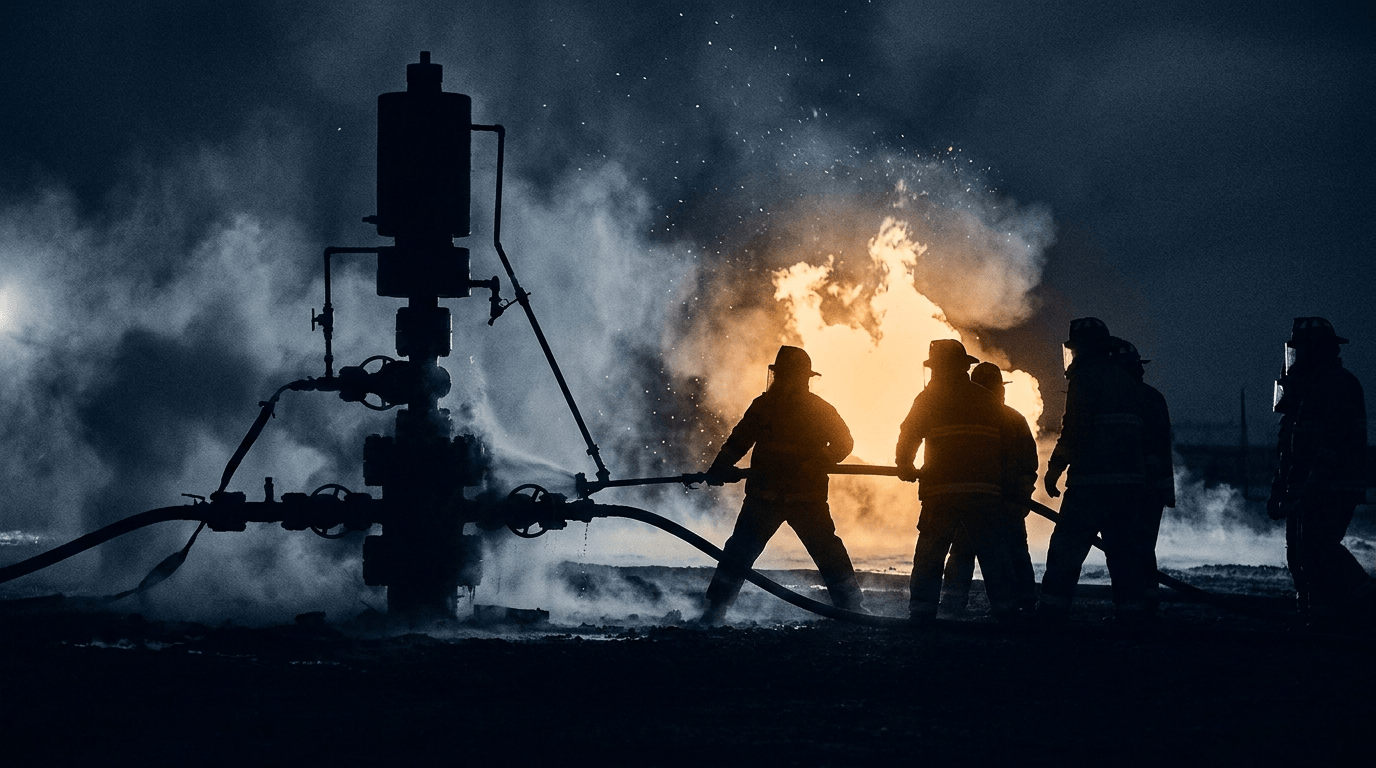
Iron roughnecks took hands off the tongs. Top drives cut trips up the derrick. ROVs replaced divers at the subsea tree. Remote pipe handling put no one under the load. The industry stopped defending old methods by saying they worked, and started judging every advance by a single test: is a person still standing in the hazard? Well-control response is the next line on that list.
You can see the same arc in blowout response itself. In 1991, some 700 burning wells in Kuwait were capped by hand, the bravest chapter in oilfield history, with people on the well itself. The 2010s brought pre-engineered capping stacks and global containment systems, keeping people at the well but briefly and better protected. The relief well has always offered a guaranteed hydraulic kill from a standoff distance, away from the hazard, but at a historical penalty of 30 to 90 days on location. And since 2025, ranging-while-drilling has delivered relief-well certainty at surface-response speed: fewer people, further away, for days rather than months.
What the data actually says about blowouts
Most blowouts end quickly. About half of Gulf of Mexico well-control losses on the 1980 to 2011 record ended within roughly 200 minutes, and around 90% terminate within eight days. Roughly one in ten outlives a week. That tenth is the whole problem.
Consequence concentrates in the tail. All fifteen recorded offshore blowout spills larger than 10,000 barrels flowed between 5 and 293 days; not one ended inside a week. The three that were concluded by relief wells ran 74, 91 and 293 days. And duration is unknowable on day one: in the 2010 Gulf of Mexico deepwater event, a top kill and a junk shot both failed before a capping stack finally held, and a 2015 California gas-storage blowout survived seven successive surface kill attempts across 60 days. Choosing a response method is therefore a tail-risk decision, and the credible worst case, not the median, is what should drive it.
Time is exposure, and the industry already says so
This is not a new idea imported from outside the discipline. The industry's own standards body puts it plainly. In the ISCWSA Well Intercept Sub-Committee's guidance on relief-well ranging strategy, the stated objectives include achieving the kill at the least risk that is as low as reasonably practicable, and in the least time possible, because, in the committee's own words, time equals exposure in a blowout.
If time equals exposure, then exposure-hours are a primary safety metric, and every intervention method should be scored by them, not only by cost and probability of intercept.
The second clock: the longer it flows, the worse the well gets
There is a second clock running underground, and it changes the options on the surface. The longer a blowout flows, the higher the likelihood that downhole damage has occurred or soon will: eroded tubulars, compromised casing, washed-out formation. That damage narrows what is possible. It often forces a cap, divert and kill-from-bottom sequence, executed as a direct intervention with snubbing units or coiled tubing on the live, flowing well.
Those direct-intervention methods significantly lengthen the intervention, and therefore the exposure, because the work is performed on or over the uncontrolled well itself. A relief well can reach the same kill depth for a dynamic kill faster, and from a standoff distance, with far less human exposure. The gap widens with flow rate: the higher the rate, the more punishing and time-consuming direct intervention becomes, and the stronger the case for reaching kill depth from below.
The dilemma we inherited, and why it just inverted
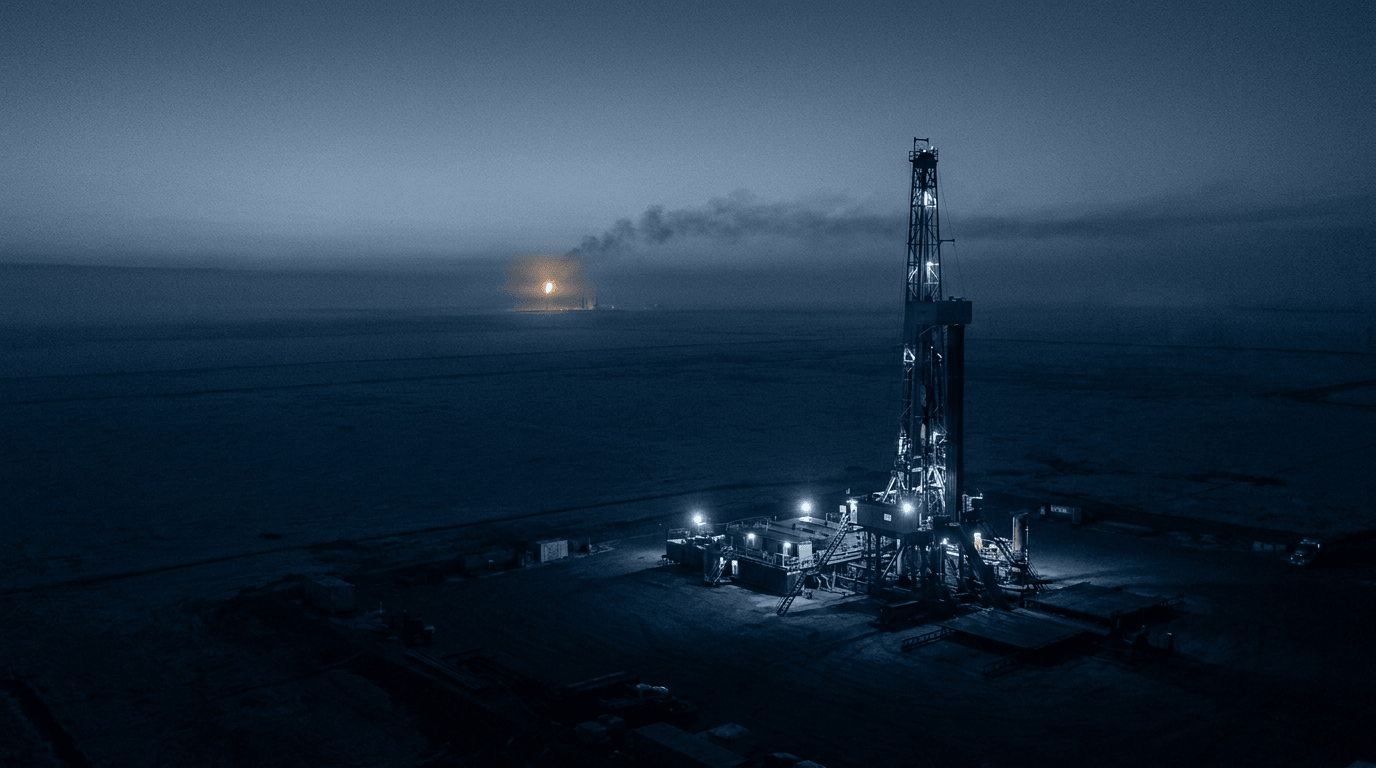
For decades the choice was binary. Risk people to save time, by intervening on the flowing wellhead under fire, gas, pressure and stored energy at extreme intensity and open-ended duration. Or spend time to spare people, by drilling a relief well from a standoff location at lower exposure, but accepting 30 to 90 days to intercept, which is why it was held back as the last resort.
Ranging-while-drilling collapses that trade-off. A relief well that reaches kill depth in days rather than months is no longer the slow option. The guaranteed hydraulic kill can begin at hour one, in parallel with the surface assessment, instead of waiting behind weeks of failed surface attempts. The decision tree that used to run in series can now run two lanes at once, and keep whichever finishes first.
Four ways to kill a well, one honest comparison
All four methods end the same way: stop the flow, stabilize the well. They differ in who stands where, and for how long.
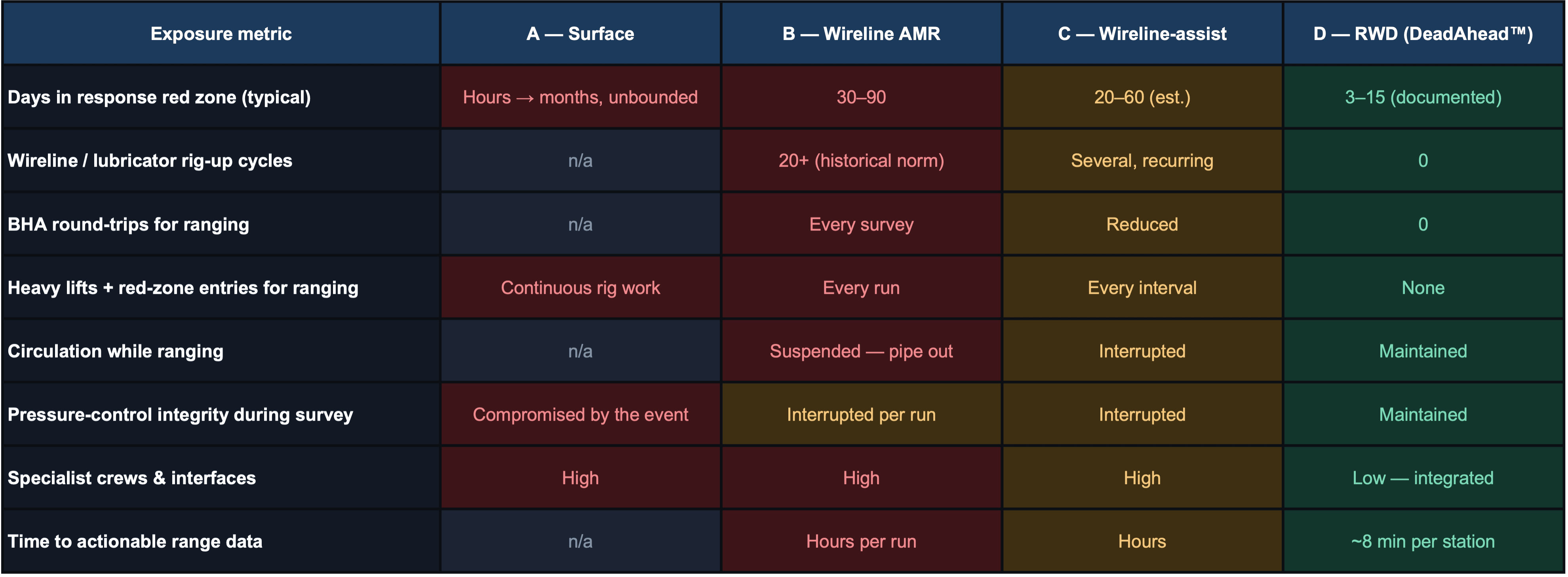
Method A, surface intervention, is cap-and-kill executed directly on the flowing wellhead. Personnel work at the head of a flowing, possibly burning well, continuously. Debris clearing and capping happen under radiant heat, toxic gas and stored energy. There are heavy lifts over live well center, and large-scale dirt work with heavy equipment, both adding significant exposure to personnel, with limited escape routes. The intensity is extreme and the duration is unbounded: when it works it works fast, and when it does not, exposure has no schedule.
Method B, a relief well ranged by conventional wireline, is proven and precise, but precision is bought with repeated exposure cycles. Historically it takes 20 or more wireline runs per intercept, and each run means tripping the assembly out, rigging up a lubricator and pressure-control equipment over the hole, running the ranging survey, rigging down and tripping back in, typically across 30 to 90 days.
Method C, wireline-assisted ranging, lets the assembly stay in the hole via a side-entry sub, so there are fewer full trips. But the wireline still has to be rigged up and down between ranging intervals, so the same rig-floor exposure peaks recur at every measurement. It is a real improvement, and proof the industry already accepts the premise that less deployment means less exposure. It is reduced, not removed.
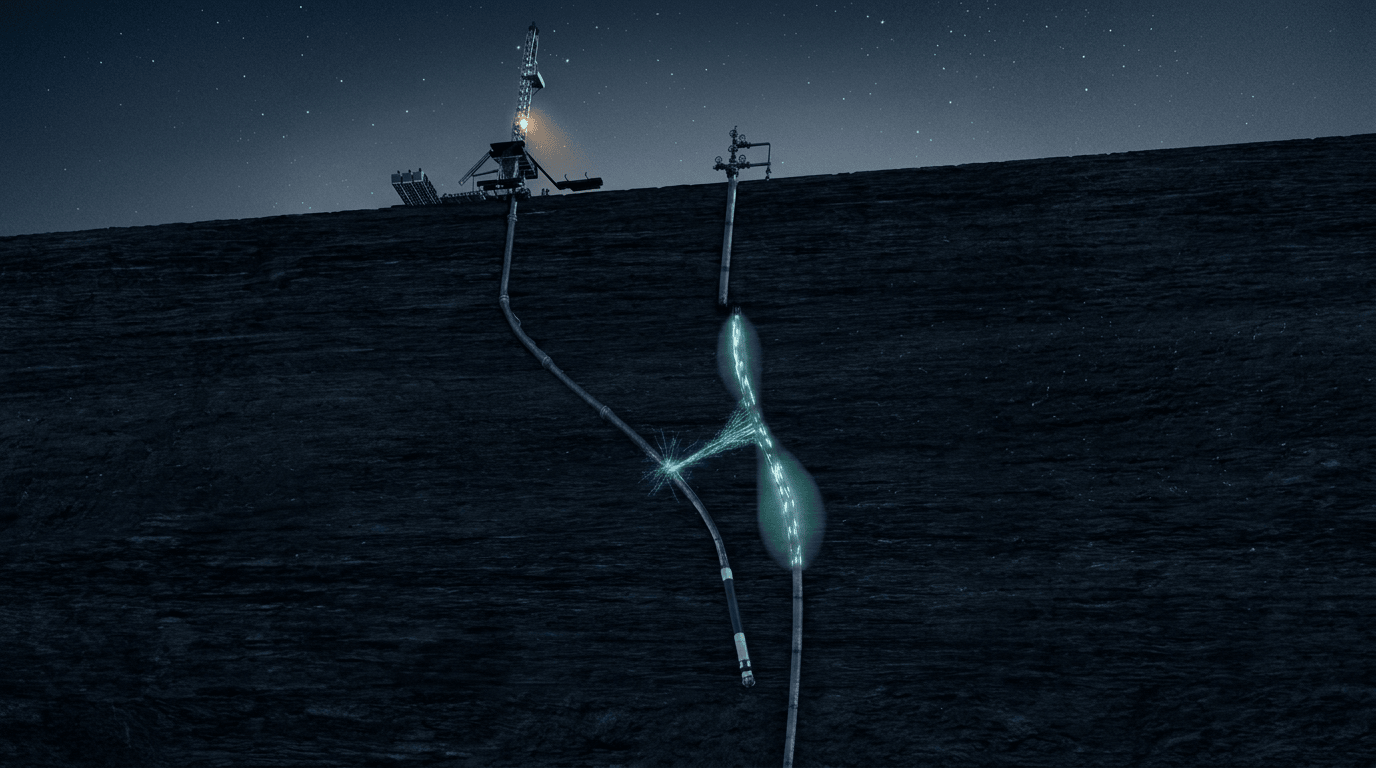
Method D, ranging-while-drilling, turns the relief well into a directional-drilling job. Ranging is integrated into the drilling assembly on wired pipe, so it never leaves the drillstring. There are no wireline runs and no assembly trips for ranging; circulation and pressure-control integrity stay intact survey after survey. Each survey takes roughly eight minutes while drilling, with about ten times the current injection of a wireline tool for a stronger signal and longer range. What disappears is the lubricator rig-ups, the wireline red-zone entries, the ranging heavy lifts and the open-hole waits. What remains is a drilling crew doing a drilling job.
Count the hours, and count the chances
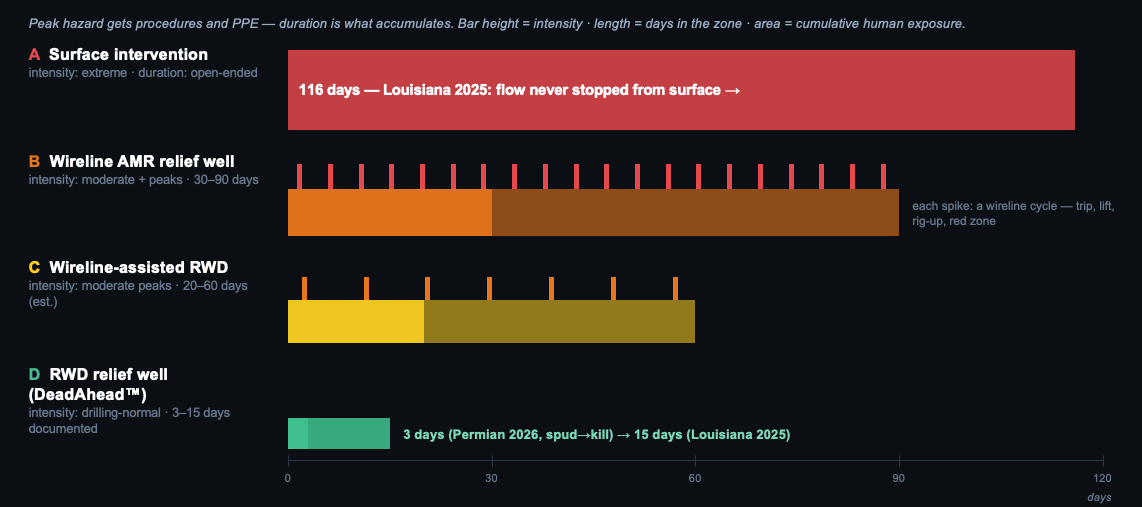
Peak hazard is what gets procedures and PPE. Duration is what accumulates. Picture each method as a bar whose height is intensity and whose length is days in the zone: the area is cumulative human exposure. On engineering estimates, a conventional ranging campaign runs on the order of 2,700 red-zone person-hours, while a ranging-while-drilling campaign runs closer to 240, roughly a 90% reduction. Even if the daily risk of each individual task were unchanged, cutting time in the zone by about 90% cuts the cumulative opportunity for injury by about 90%.
Hours measure duration; evolutions measure opportunities. Every pressure-barrier change, lubricator rig-up, heavy lift over the hole, wireline deployment, assembly round-trip and red-zone entry is a discrete chance for a dropped object, a lifting incident, a failed pressure test or a miscommunication, independent of how long it takes. Removing ranging-driven wireline work removes scores of these discrete chances per intercept.
The proof, on the public record
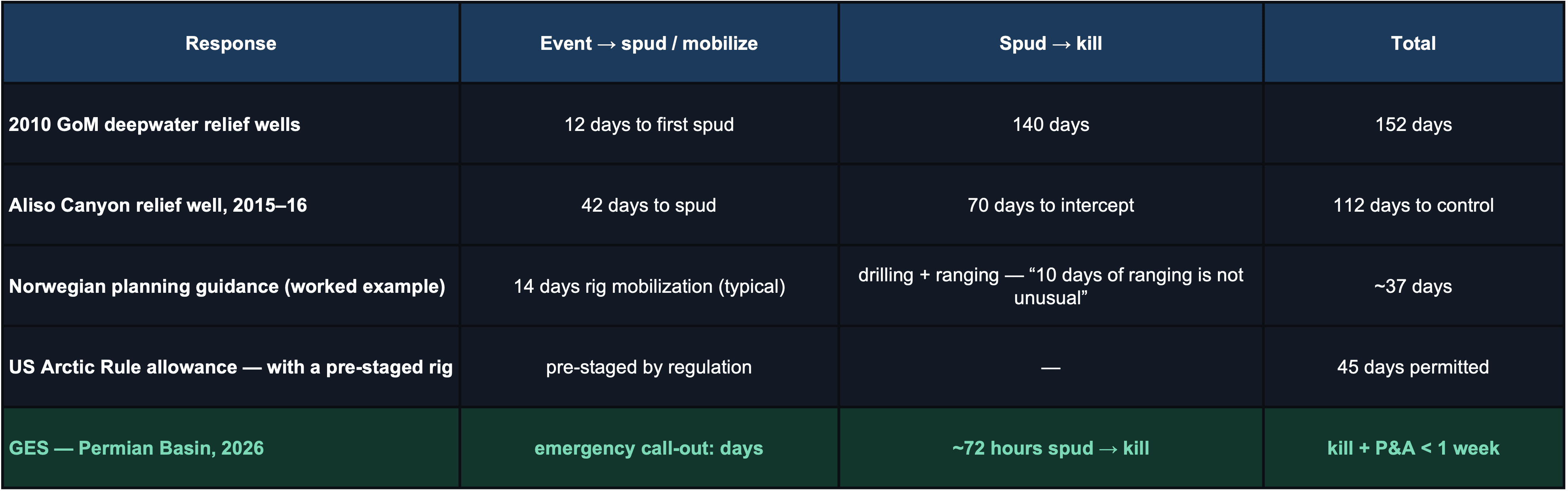
This is not a model. In 2026, a major operator in the Permian Basin of West Texas faced an uncontrolled release of more than 8,000 barrels per day. A ranging-while-drilling relief well located the target at a world-record 306 feet center-to-center, roughly six times the longest prior ranging range, and killed the well with a dynamic kill about 72 hours from spud. Relief well, kill and permanent abandonment were complete in under a week.
Read the 2026 Permian case study →In 2025, the world-first wired-pipe deployment threaded a relief well through a window only about 10 feet wide below a stuck packer, in high-resistivity salt and oil-based mud where conventional wireline ranging struggles, intercepting at the exact planned depth and avoiding more than ten wireline runs and roughly two weeks of rig time.
Read the 2025 North Dakota case study →And in Louisiana, a legacy blowout that resisted 116 days of surface intervention was killed in 15 days once ranging located it from below, the same well, both methods, on the public record.
Read the Louisiana blowout case study →Across all of it, the well pressure, the reservoir energy, the fire and the gas were unchanged. The only variable that moved was how long people had to stand in the hazard.
The law and the market point the same way
ALARP, the governing standard for major-hazard risk in the UK, Norway and Australia and standard practice worldwide, requires that a risk be reduced further unless the cost of doing so is grossly disproportionate to the benefit. Crucially, the bar moves: regulators state in their own guidance that new technology can make a higher standard reasonably practicable. If a relief well can kill a well in days, the justification for choosing weeks of human exposure becomes increasingly difficult to sustain.
The insurance market prices the same variable. Nearly every control-of-well cost line scales with days flowing: specialist and equipment day rates, relief-well rig time, pollution and cleanup measured as daily flow times days, and business interruption. Underwriters already fund pre-event planning and reward demonstrated preparedness, and a documented days-scale kill capability is among the biggest levers left. ALARP and the loss ratio point in the same direction: shorter control means smaller claims and more insurable wells.
Make the fast relief well the written best practice
The change does not require a new KPI. It requires one question asked of every response plan: how many cumulative hours will personnel spend exposed under this option? Require that estimate alongside cost, duration and probability of success. What gets asked gets engineered down.
Then pre-plan the relief well like you mean it, with spud locations, ranging method, kill hydraulics and permits agreed before the event. Run the intercept lane from hour one, in parallel with the surface assessment, rather than as the last resort after the surface loop has consumed its weeks. And codify days-scale intercept into contingency plans, internal well-control standards and industry guidance. Best practice is not declared; it is documented, and once it is written down, ALARP does the enforcing.
The safest response is the one that achieves the kill while exposing the fewest people for the shortest possible time. For most of this industry's history those two objectives were in tension. Today, they no longer conflict.
- In a blowout, time is exposure: cumulative person-hours in the hazard zone is a first-class safety metric, not just cost and probability of intercept.
- The longer a well flows, the more downhole damage narrows the options, pushing toward slow direct intervention with snubbing or coiled tubing on the live well.
- Ranging-while-drilling reaches kill depth in days from standoff distance, cutting red-zone exposure by roughly 90%.
- ALARP and insurance economics both favor the faster, lower-exposure kill, so write days-scale intercept into the response plan.