
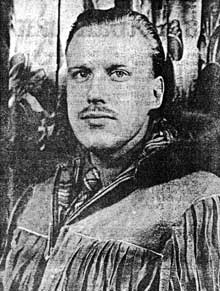
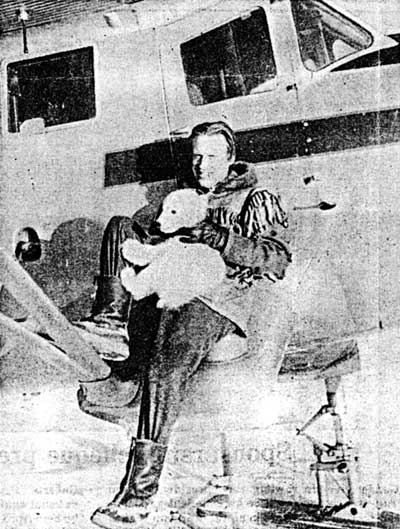
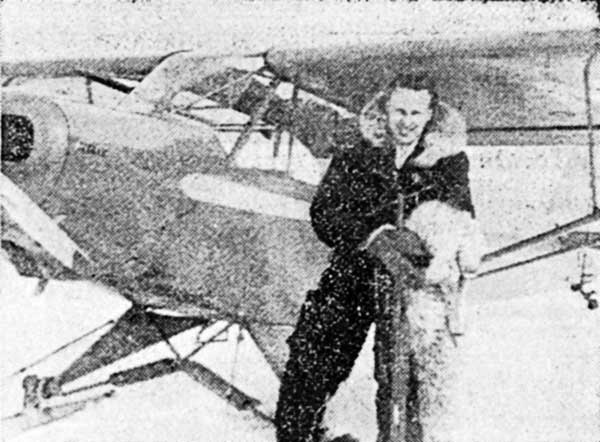
A Swedish Air Force veteran, Gunnar emigrated to Canada from Sweden in 1951, and took to northern flying with a skill other pilots still talk about. To the communities of northern Labrador he was a “flying wizard”, the aircraft that appeared with mail, food, medicine and emergency evacuations after everyone else had given up on the weather.
In December 1952, flying from Ferguson Lake (350 miles north of Churchill, Manitoba) toward Baker Lake, an un-forecast blizzard forced his Norseman down in the barrens, 45 miles short of his destination. In −40 °C cold and 110 km/h wind he built an igloo and drained oil from the engine to feed an emergency heater. Five RCAF aircraft searched for nine days and had all but given up, until Lancaster pilot Chuck Gobeil spotted him against the snow in his dark-blue flight suit, jumping and waving from the wing. The crew dropped emergency rations, but Gunnar laid out a signal in the snow that meant just one thing: he needed fuel and a battery. A fellow Swedish pilot, Gunnar Ingebertson, flew out the fuel and battery and dropped them; Gunnar fitted the battery, refuelled and took off himself, escorted back to Baker Lake, flying himself home after nine days in the barrens.
“All he needed was fuel and a battery.”
Known across the province of Newfoundland on the flight radio, Swedish accent and all, as “Gunnar the Kid,” he flew a 45-year career, often putting down on ice pans with only inches to spare. At Eastern Provincial Airways he began a lifelong love affair with the Canso water bomber, and in 1957 he married Roma Moss of Happy Adventure, Newfoundland. In 1972 he joined the Newfoundland government's air service as captain of Canso No. 6, a Canadian-built Catalina, and fought forest fires from it for sixteen more years. By the time he retired he had logged more than 28,000 hours across 40-plus types of aircraft.
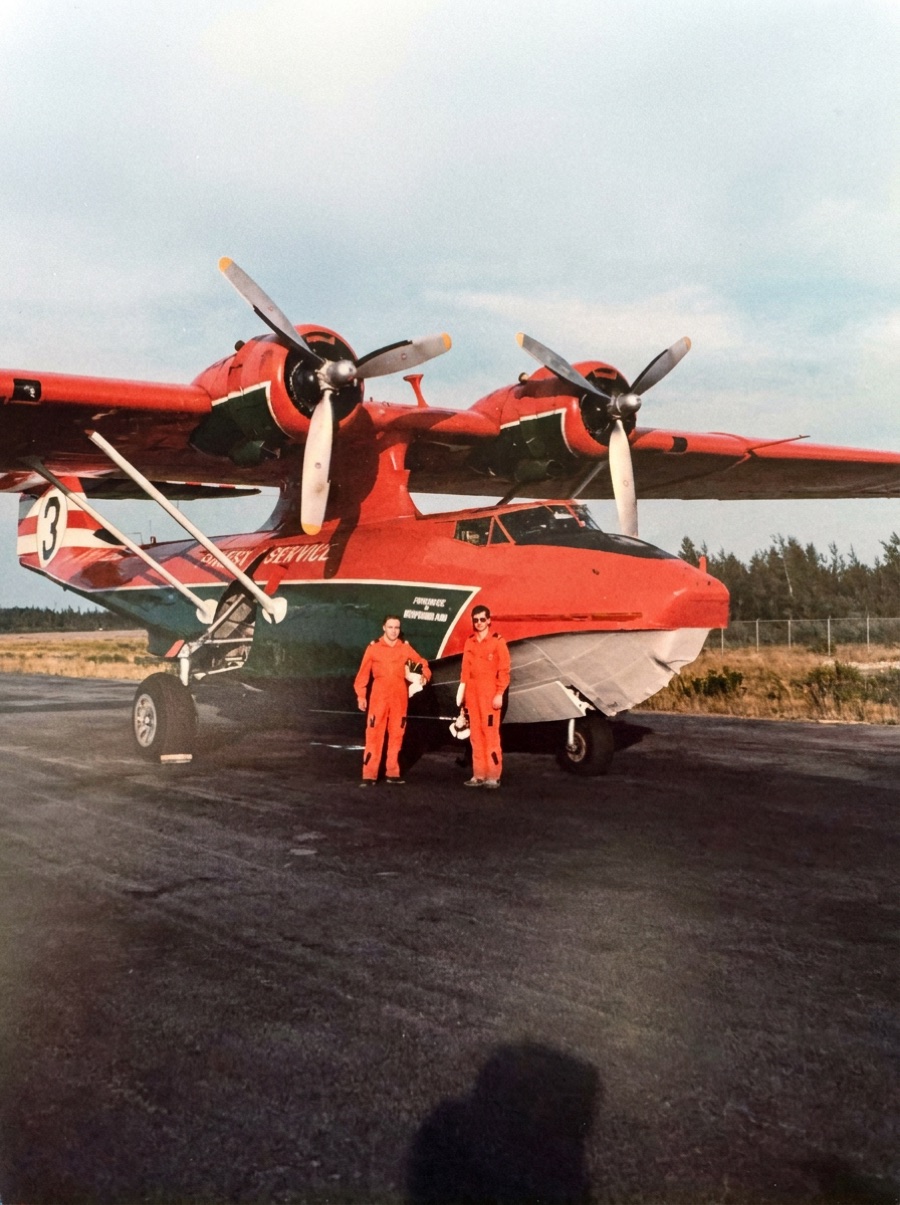
He hung up his flying suit in 1988, at 65, and his beloved Canso No. 6, once bound for the scrap yard, was retired alongside him and given a home at Gander's North Atlantic Aviation Museum. He went back to Sweden to fly privately with his twin brother, Åke, a retired surgeon, then returned to Gander with his wife, Roma, for the winter, where he died on 3 December 1988. Gander named a street in his honour.
That is the standard the name holds us to: deterministic skill, composure in the worst conditions, and the resolve to reach the target when no one else can. We are called Gunnar because that is exactly what our clients call us to do, hit the well no one else can.